ACTIVITY & USAGE MONITORING
Understand how facilities are actually being used and turn real activity into better operational decisions. Flexicount activity sensors help teams measure demand, trigger service at meaningful thresholds and move beyond fixed schedules where appropriate.
Book a CallSee How It Works
Trusted across cleaning facilities management, workplace and public environments
Facilities are rarely used in exactly the same way every day. Fixed service schedules can therefore miss busy periods, over-service quiet areas or make it harder to understand where resources are genuinely needed.
Flexicount activity sensors provide a simple view of real usage, helping teams make service decisions based on what is actually happening rather than relying only on planned schedules.
The objective is not simply to count activity. It is to use that information to make better operational decisions.
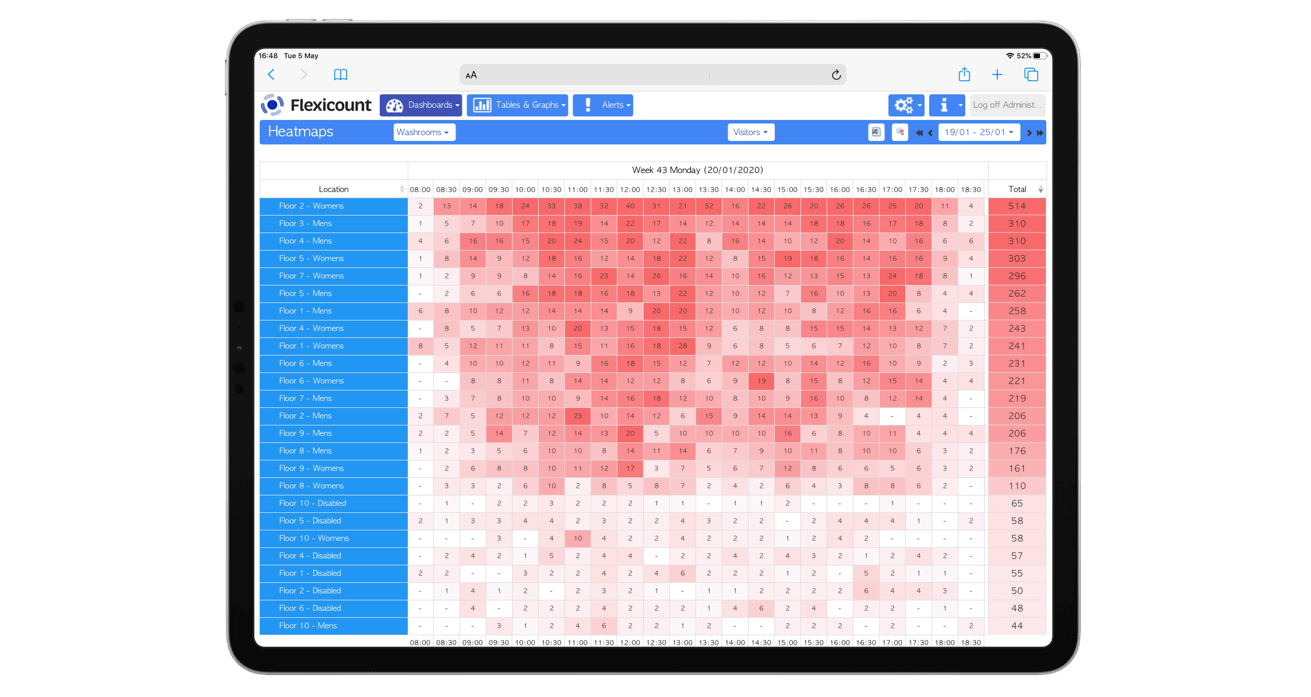
See how often a space or facility is being used and how activity changes by time of day, day of week or location.
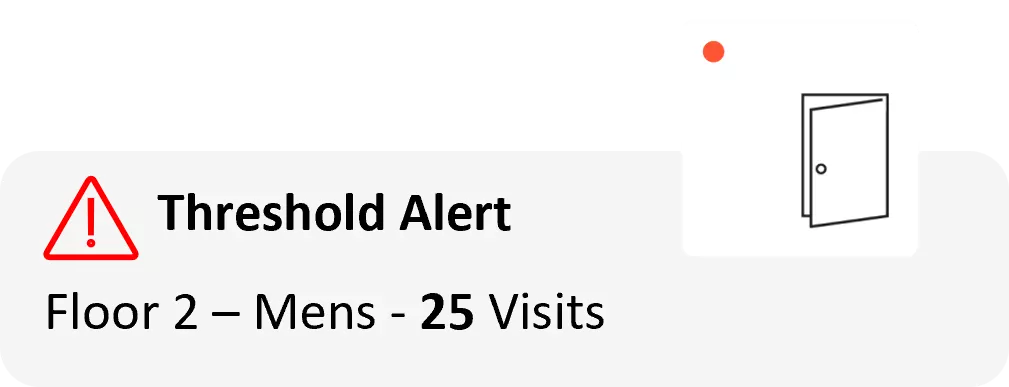
Use agreed usage thresholds to alert teams when attention may be needed instead of waiting for the next scheduled visit.
Avoid servicing low-use areas more often than needed and focus effort where activity is genuinely higher.
Combine usage data with alerts, service records and reporting to understand how demand and service activity relate over time.
Flexicount activity sensors detect movement or usage events within a defined area and send that information into the Flexicount platform. The data can then be used to understand demand, trigger alerts and support more responsive service delivery.
The sensor records activity within the monitored area.
Each event contributes to a clearer picture of how frequently the facility or space is being used.
Activity accumulates into meaningful usage information.
Flexicount brings the events together so teams can see patterns by location, time period and level of demand.
Set thresholds around the level of activity that matters operationally.
When an agreed usage threshold is reached, Flexicount can raise an alert so the relevant team knows attention may be required.
Service activity can then be acknowledged or completed.
The response becomes part of the operational record, helping teams understand the relationship between usage, alerts and service delivery.
Real usage data becomes most valuable when it changes what happens next. Flexicount can use activity thresholds to trigger alerts, helping teams respond to demand rather than relying only on fixed service intervals.
The threshold can be set around the level of activity that matters for the service being monitored, giving teams a practical way to connect usage with action.
Explore Alert Monitoring →

Define the level of activity that should trigger attention for a specific facility, location or service.
When the threshold is reached, Flexicount can create an operational alert for the relevant team.
Teams can attend the area when usage indicates it is needed, rather than waiting for the next planned service visit.
The response can be captured in Flexicount, creating a clearer link between actual demand and service delivery.
This is where activity sensing becomes Operational Intelligence: observe actual demand, understand when attention is needed, decide what action to take and improve the service over time.
Activity sensing is most useful in spaces where service demand changes with how often people use them. Flexicount helps teams understand that demand and respond more intelligently.
Match cleaning to actual usage.
Monitor activity levels and trigger service when agreed thresholds are reached, helping teams avoid relying only on fixed cleaning rounds.
Understand when high-use areas need attention.
Use activity data in shared spaces, welfare areas or service points to see when demand increases and where additional service may be needed.
Match cleaning to actual usage.
Monitor activity across workplace areas to help teams understand when spaces are busy, quiet or changing in use over time.
Match cleaning to actual usage.
Combine activity thresholds, alerts and completed service records to help cleaning teams focus resources where demand is highest.

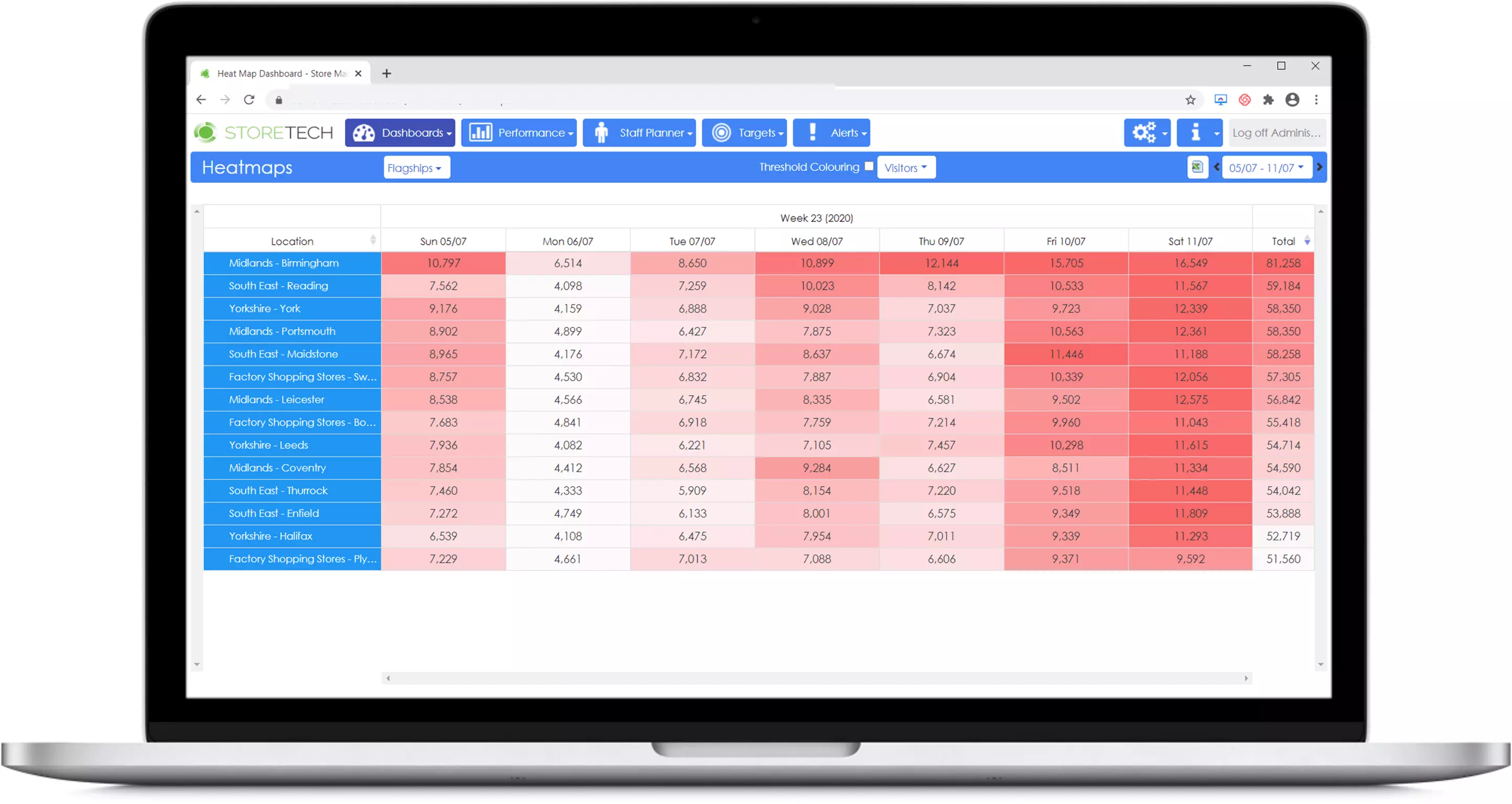
Activity data becomes more valuable when you can see the pattern behind it. Flexicount helps teams review usage by location and time period, compare demand across sites and understand how service activity relates to real building use.
The result is a clearer view of not just how much a space is used, but how that usage should influence service decisions.
Review how activity changes by hour, day or location to understand when demand is highest and where patterns are shifting.
Relate usage thresholds and alerts to completed service activity, creating a clearer operational record of demand and response.
Compare activity across washrooms, shared facilities or sites to see where demand is consistently higher or lower.
Use historical activity to review schedules, thresholds and resource deployment rather than relying only on fixed assumptions.
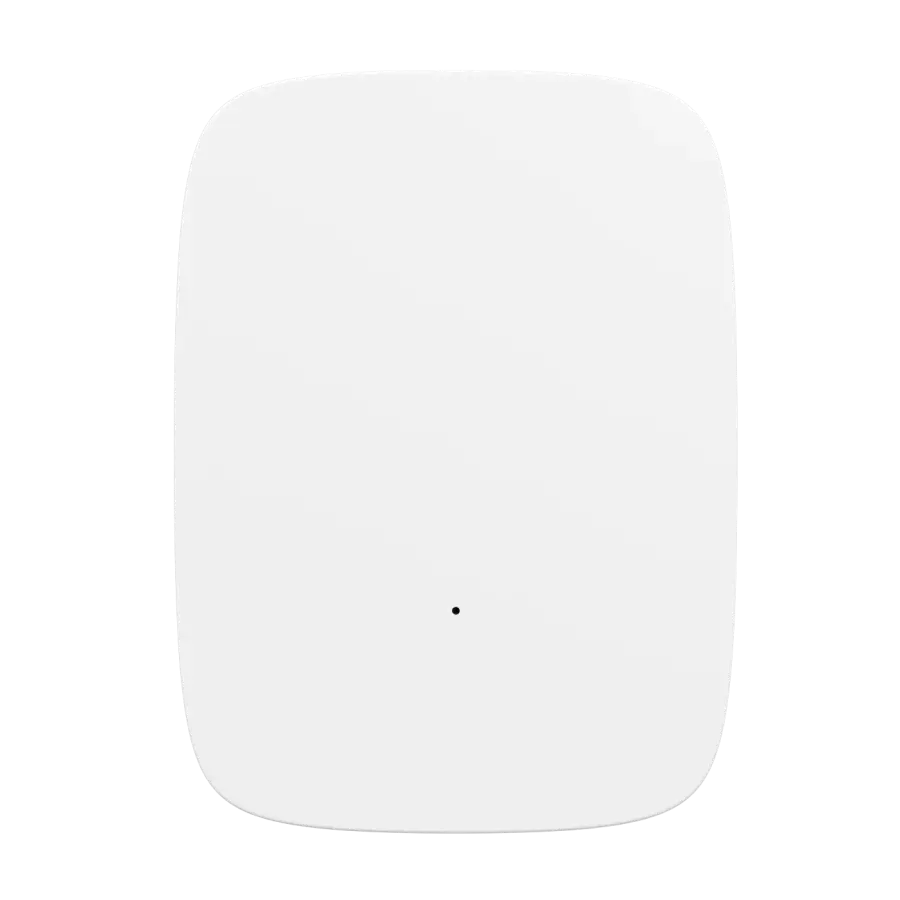
Flexicount uses compact wireless sensor technology to capture activity without cameras, complex cabling or disruption to the space being monitored. Sensor events are securely relayed through a Cloud Connector into the Flexicount platform, where they can contribute to usage trends, thresholds, alerts and reporting.
The result is a simple physical sensor feeding a much wider Operational Intelligence workflow.
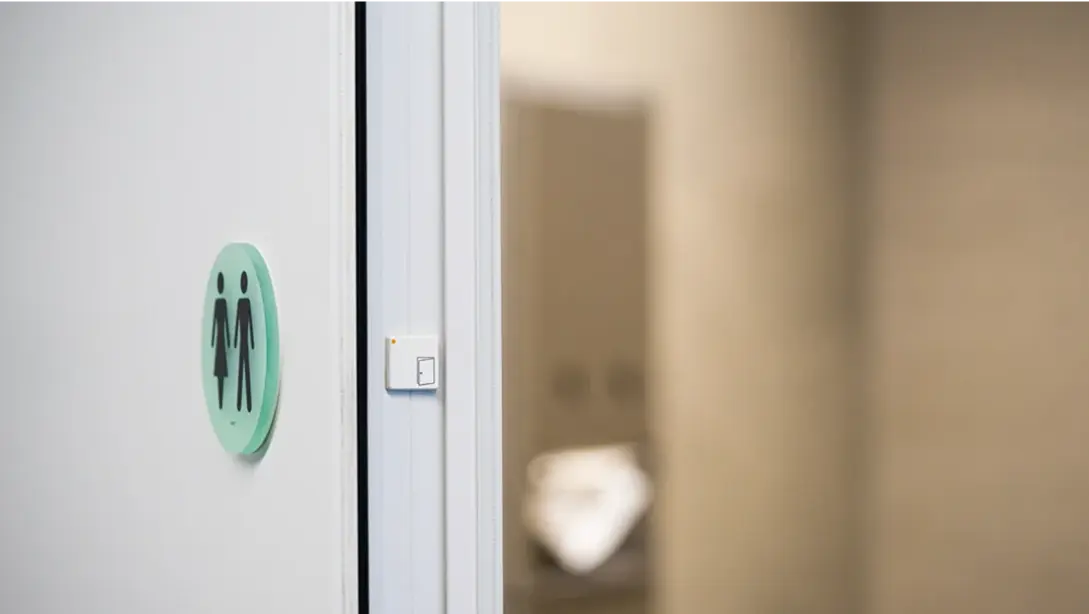
See the sensor in action
This 15-second example shows how the wireless proximity sensor detects door activity. Flexicount can count these events to build a picture of facility usage and trigger service at agreed thresholds.


The activity sensor records usage events and securely communicates them to the connected infrastructure. Flexicount then turns those events into usable operational information, including activity totals, trends, thresholds and alerts.
Where required, a Cloud Connector provides the gateway between the wireless sensors and the cloud service. The exact configuration is agreed as part of the deployment or pilot.
Discover how organisations use Flexicount to understand building activity, respond to demand and improve services. Our customer projects demonstrate the value of connected sensors, real-time insights and smarter facilities management.
CASE STUDYA pilot deployment helped JPC by Samsic identify opportunities to reduce unnecessary cleaning visits, align resources with actual building demand and demonstrate the benefits of demand-based cleaning across a 45-storey office building.
CASE STUDYTCFM combined occupancy monitoring, customer feedback and digital reporting to improve visibility of cleaning operations, support service delivery and give both supervisors and clients more reliable operational insight.
CASE STUDYSmarter Services uses Flexicount technology across washrooms and shared amenities at The Rex. Wireless sensors and people counters reveal changing demand, helping teams refine cleaning frequencies and make more informed service decisions.
Discover how wireless activity sensors can help you understand space usage, identify demand and improve cleaning and facilities management efficiency.
Whether you're monitoring a single location or multiple sites, we'll help you find the right approach for your operation.
Prefer to talk?